Glaucoma Treatment in Dubai: Advanced Care Options to Protect Your Vision
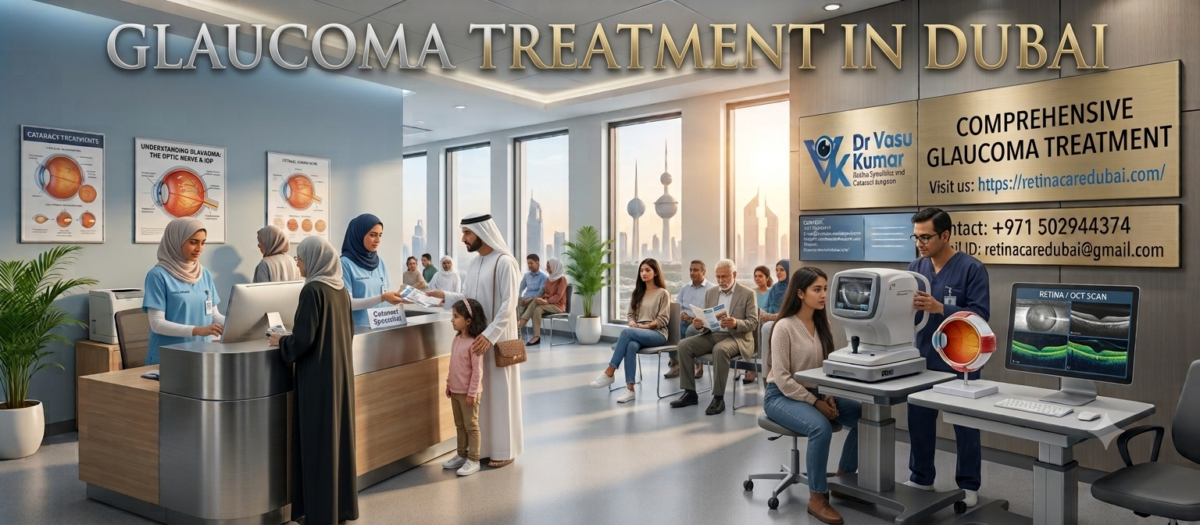
Healthy vision is essential for maintaining independence and quality of life. However, glaucoma is a serious eye condition that can gradually damage the optic nerve and lead to permanent vision loss if left untreated. Early diagnosis and appropriate medical care are crucial for managing this condition and protecting long-term eyesight.
With advancements in modern ophthalmology, patients seeking glaucoma treatment in Dubai have access to different diagnostic methods and treatment options designed to control eye pressure and reduce the risk of further optic nerve damage. Understanding the available treatments, warning signs, and preventive measures can help individuals make informed decisions about their eye health.
What Is Glaucoma and Why Is Early Treatment Important?
Glaucoma refers to a group of eye diseases that damage the optic nerve, which carries visual information from the eye to the brain. Elevated intraocular pressure, commonly known as eye pressure, is an important risk factor, although glaucoma can also develop in people whose eye pressure falls within the normal range.
One of the biggest challenges is that glaucoma often develops without noticeable symptoms during its early stages. Peripheral vision may gradually deteriorate before a person realizes that something is wrong.
Without appropriate treatment, the condition can cause irreversible vision loss. Regular eye examinations are therefore important, particularly for older adults, individuals with a family history of glaucoma, and people with other recognized risk factors.
Common Types of Glaucoma
Understanding the type of glaucoma is essential for selecting the right treatment approach.
- Open-angle glaucoma: The most common form, which usually develops gradually and may cause no early symptoms.
- Angle-closure glaucoma: Occurs when the drainage angle inside the eye becomes blocked. Sudden angle closure can cause severe eye pain, blurred vision, headache, nausea, and redness, requiring emergency medical attention.
- Normal-tension glaucoma: Optic nerve damage occurs even when measured eye pressure is within the statistically normal range.
- Secondary glaucoma: Develops because of another condition, eye injury, inflammation, or certain medications.
Each type requires an individualized assessment because the underlying cause, severity, and risk of progression can differ significantly.
Advanced Glaucoma Treatment Options in Dubai
The primary goal of glaucoma treatment is to lower intraocular pressure to a level that helps prevent or slow additional optic nerve damage. Treatment cannot usually restore vision already lost because of glaucoma, making early intervention particularly important.
1. Prescription Eye Drops
Eye drops are often the first treatment recommended for many patients. Depending on the medication, they may reduce the production of fluid inside the eye or improve its drainage.
Patients should follow their prescribed dosage and attend regular follow-up appointments. If eye drops cause irritation, are difficult to administer, or do not control eye pressure sufficiently, an ophthalmologist may recommend an alternative treatment.
2. Laser Treatment for Glaucoma
Laser procedures can help improve fluid drainage or address specific forms of glaucoma.
Selective laser trabeculoplasty (SLT), for example, may be recommended for certain patients with open-angle glaucoma. Laser peripheral iridotomy may be used for appropriate cases of angle-closure disease.
The choice of laser procedure depends on the type of glaucoma, the eye’s anatomy, previous treatments, and the patient’s overall clinical condition.
3. Glaucoma Surgery
When medication and laser treatment do not adequately control eye pressure, surgery may be considered. Procedures such as trabeculectomy, glaucoma drainage device implantation, and selected minimally invasive glaucoma surgeries can help improve fluid drainage and reduce pressure.
Surgical treatment is not necessary for every patient. An ophthalmologist evaluates the potential benefits, risks, expected outcomes, and need for continued monitoring before recommending an appropriate procedure.
4. Regular Monitoring and Diagnostic Testing
Glaucoma management involves more than lowering eye pressure. Regular monitoring helps determine whether the disease is stable or progressing.
Depending on the patient’s condition, diagnostic tests may include:
- Tonometry to measure intraocular pressure.
- Optical coherence tomography (OCT) to assess the optic nerve and retinal nerve fibre layer.
- Visual field testing to identify areas of reduced peripheral vision.
- Examination of the optic nerve and drainage angle.
- Assessment of corneal thickness when clinically appropriate.
These tests help the eye specialist develop a personalized treatment plan and evaluate its effectiveness over time.
How to Choose the Right Glaucoma Specialist in Dubai
Choosing an experienced eye specialist is an important step in managing glaucoma. Patients should consider the following factors before beginning treatment:
- Relevant expertise: Look for an ophthalmologist with experience in diagnosing and managing glaucoma.
- Comprehensive testing: Choose a clinic that can provide appropriate diagnostic assessments and follow-up examinations.
- Individualized treatment: Treatment should reflect the glaucoma type, disease severity, eye pressure, and patient-specific risk factors.
- Clear communication: The specialist should explain treatment options, possible side effects, and the importance of ongoing monitoring.
- Long-term care: Glaucoma often requires lifelong management, so consistent follow-up is essential.
Patients can explore available eye-care information and consultation options through RetinaCareDubai when researching specialist eye care in Dubai.
Can Glaucoma Be Prevented?
There is no guaranteed way to prevent every case of glaucoma. However, regular comprehensive eye examinations can help detect the disease before significant vision loss occurs.
People at increased risk should discuss an appropriate screening schedule with an ophthalmologist. Using prescribed medications consistently, attending follow-up appointments, and reporting changes in vision can also help reduce the risk of preventable complications.
Healthy lifestyle habits support general well-being, but they should not replace professional glaucoma treatment or prescribed medication.
Frequently Asked Questions About Glaucoma Treatment in Dubai
What is the best treatment for glaucoma?
The best treatment depends on the type and severity of glaucoma. Prescription eye drops, laser procedures, and surgery are possible options. An ophthalmologist determines the most appropriate approach after a comprehensive examination.
Is glaucoma treatment painful?
Many treatments, including prescription eye drops and several laser procedures, are generally well tolerated. Surgical procedures may involve temporary discomfort and require recovery time. The experience varies according to the treatment and individual circumstances.
Can glaucoma be cured permanently?
Currently, glaucoma-related optic nerve damage is generally irreversible, and there is no established permanent cure. However, appropriate treatment can often slow disease progression and help preserve remaining vision.
How often should glaucoma patients have eye examinations?
Follow-up frequency depends on disease severity, treatment response, and the risk of progression. Some patients require frequent monitoring, while others may need less frequent appointments. The treating ophthalmologist should establish the appropriate schedule.
Is glaucoma treatment necessary if there are no symptoms?
Yes. Glaucoma can damage the optic nerve before noticeable symptoms develop. Treatment and monitoring may be necessary even when vision appears normal.
When should someone seek emergency eye care?
Sudden severe eye pain, a red eye, blurred vision, halos around lights, headache, or nausea can indicate acute angle-closure glaucoma. These symptoms require immediate emergency assessment because prompt treatment may help prevent serious vision loss.