Panoramic Lift and Escalator Company: From Classic Mobility to the Future of Smart Buildings
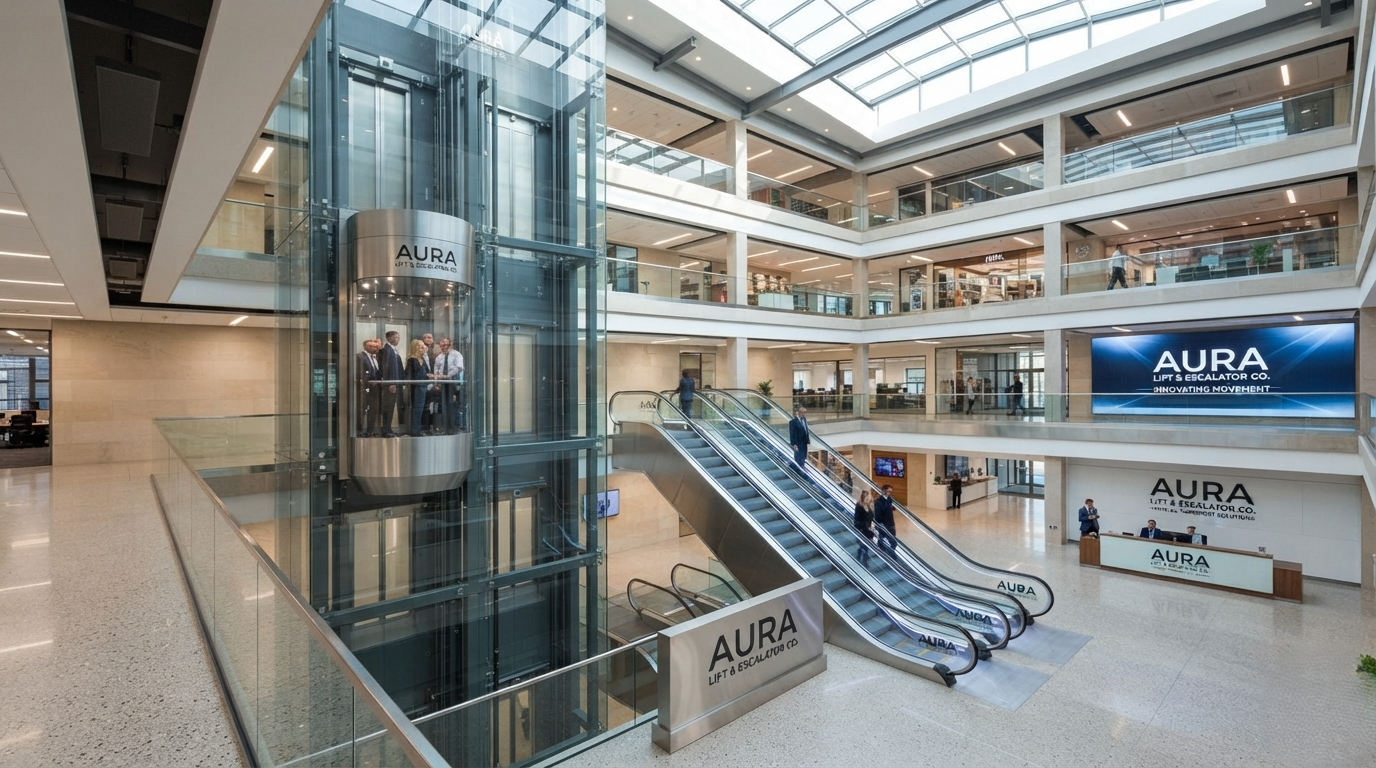
The history of vertical transportation is closely connected with the evolution of modern cities. From manually operated lifts to digitally connected mobility systems, every generation of elevator technology has responded to changing architectural, commercial, and social needs. Today, a panoramic lift and escalator company operates at the intersection of engineering, architecture, safety, sustainability, and intelligent building technology.
Panoramic lifts are particularly significant because they transform ordinary vertical transportation into an architectural experience. Unlike conventional enclosed elevators, panoramic systems use transparent or partially glazed cabins and shafts to provide views of surrounding spaces.
The Past: How Vertical Mobility Evolved
Early elevators were primarily developed to solve a practical problem: moving people and materials between different levels safely. As urban buildings became taller, elevator technology became essential to modern construction.
The introduction of safety mechanisms, improved cables, electric motors, automated doors, and sophisticated controls gradually changed elevators from basic mechanical equipment into dependable passenger transportation systems. Escalators followed a similar path, becoming essential in department stores, railway stations, airports, shopping centres, and public buildings.
Historically, appearance was secondary to functionality. Most elevators were enclosed inside shafts, while escalators were designed primarily for efficient movement of large numbers of people.
The emergence of architectural elevators changed this philosophy. Glass panels, stainless-steel finishes, creative lighting, and customized cabins allowed elevators to become visible elements of a building rather than hidden infrastructure.
The Rise of Panoramic Lifts
A panoramic lift, often called a glass or observation elevator, incorporates transparent cabin walls, glass shaft sections, or both. This design allows passengers to see an atrium, landscape, commercial interior, or city surroundings while travelling between floors.
The popularity of panoramic lifts expanded as architects and developers began treating vertical transportation as part of the overall customer experience.
They are particularly suitable for:
- Luxury hotels and resorts
- Shopping malls and retail centres
- Corporate offices
- Airports and transportation hubs
- Hospitals and institutional buildings
- Premium apartments and villas
- Restaurants and entertainment venues
For a modern panoramic lift and escalator company, this evolution means that engineering expertise must work alongside architectural creativity.
The Transformation of Escalator Technology
Escalators have also progressed significantly. Traditional systems focused mainly on continuous passenger movement, whereas modern escalators increasingly incorporate energy management, intelligent monitoring, improved safety sensors, variable-speed operation, and durable materials.
A contemporary escalator project requires careful consideration of passenger volume, floor-to-floor height, traffic patterns, installation space, maintenance access, and building design.
From Mechanical Systems to Connected Mobility
The most important transformation is digital connectivity. Modern vertical transportation systems increasingly use IoT sensors, cloud monitoring, predictive maintenance, and data analytics. These technologies can help facility teams identify unusual operating conditions before they become major failures.
Panoramic Lift vs Traditional Lift
| Feature | Panoramic Lift | Traditional Lift |
| Visual design | Glass and architectural | Usually enclosed |
| Passenger experience | Scenic and open | Functional |
| Architectural role | Design feature | Building utility |
| Typical applications | Hotels, malls, villas | Residential and commercial buildings |
| Customization | High | Moderate to high |
| Lighting opportunities | Extensive | Conventional |
The best choice depends on building purpose, available space, budget, safety requirements, and architectural objectives rather than appearance alone.
The Present: Smart, Safe and Energy-Efficient Mobility
The present-day elevator and escalator industry is increasingly influenced by urbanization, high-rise construction, modernization, and demand for energy efficiency. India, for example, has developed into one of the world’s largest elevator and escalator markets, supported by expanding residential, commercial, transportation, and infrastructure projects.
A professional panoramic lift and escalator company now needs to provide more than equipment. Customers increasingly expect complete solutions covering:
- Design consultation
- Engineering and customization
- Manufacturing
- Installation
- Testing and commissioning
- Preventive maintenance
- Modernization and technical support
Energy-efficient motors, regenerative drives, standby modes, LED lighting, and intelligent controls are becoming increasingly important in sustainable buildings.
The Future: Intelligent Vertical Transportation
The future of panoramic lifts and escalators will be defined by the convergence of automation, artificial intelligence, connectivity, sustainability, and personalized design.
AI-assisted traffic management can analyze passenger movement and help optimize elevator dispatch. Destination-control systems can group passengers travelling to similar floors, while connected diagnostics can provide maintenance teams with operational information.
Future systems are likely to emphasize:
- AI-based predictive maintenance
- Remote equipment monitoring
- Touchless and voice-assisted interfaces
- Advanced destination-control technology
- Regenerative energy systems
- Lower-energy standby operation
- Building-management-system integration
- More customizable panoramic cabins
- Improved accessibility and passenger comfort
The industry’s direction is already moving toward safer, smarter, and greener vertical transportation.
Why Choosing the Right Company Matters
Selecting an elevator or escalator provider is a long-term decision. Equipment quality matters, but so do engineering capabilities, installation standards, maintenance expertise, spare-parts availability, response time, and lifecycle support.
Before choosing a panoramic lift and escalator company, buyers should evaluate:
- Product safety and applicable standards
- Customization capabilities
- Energy-efficiency features
- Installation experience
- Maintenance infrastructure
- Warranty and after-sales support
- Availability of replacement components
- Digital monitoring capabilities
- Project references and technical expertise
A strong supplier should understand both the engineering requirements and the architectural vision of the project.
FAQs About Panoramic Lifts and Escalators
What is a panoramic lift?
A panoramic lift is an elevator designed with transparent or partially transparent cabin or shaft surfaces that provide passengers with views during travel.
Where are panoramic lifts commonly installed?
They are commonly used in hotels, malls, offices, villas, airports, atriums, and landmark buildings.
Are panoramic lifts safe?
Yes, when properly designed, manufactured, installed, inspected, and maintained according to applicable safety requirements.
Can panoramic lifts be customized?
Yes. Cabin dimensions, glass configurations, finishes, lighting, doors, controls, and other architectural details can often be customized.
What is the difference between a lift and an escalator?
A lift transports passengers vertically inside a moving cabin, while an escalator provides continuous inclined movement between floors.
Are modern escalators energy efficient?
Many modern systems incorporate energy-saving controls and operating modes designed to reduce unnecessary electricity consumption.
What is predictive maintenance?
Predictive maintenance uses equipment data and sensors to identify potential problems before they develop into serious failures.
Can lifts connect with smart buildings?
Yes. Modern connected elevator systems can integrate with building-management and monitoring platforms.
Are panoramic lifts suitable for homes?
They can be suitable for villas, duplexes, and premium residences when the design, space, safety, and local requirements are appropriately considered.
What should buyers consider when selecting a company?
Buyers should consider engineering quality, safety, customization, installation capability, maintenance support, technology, energy efficiency, and total lifecycle value.
https://newsgrow.blogspot.com/2026/08/dumbwaiter-lift-vs-passenger-lift-which.html
https://newsgrow.blogspot.com/2026/08/passenger-elevator-and-glass-lift.html